
Free pregnancy tool
Baby kick counter
Tap each time you feel your baby move. The timer shows how long it takes to reach 10 movements, so you can notice your baby’s usual pattern.
If your baby’s movements reduce, change or stop, contact your doctor or hospital the same day. Do not wait until the next day and do not rely on this counter. Call +91 944 103 0587, open 24/7 for delivery and emergency care.
Time since first movement
00:00
0 of 10 movements
Estimates only. This tool gives a general estimate based on the information you enter. It is not a diagnosis or medical advice. Please consult your doctor to confirm dates and for personal guidance. Nothing you enter is sent anywhere: the calculation runs in your browser.
How to use the counter
- Choose a time when your baby is usually active, such as after a meal, and sit or lie on your left side.
- Tap once for every distinct movement: kicks, flutters, swishes and rolls count.
- Stop when you reach 10 and note how long it took. Do the same at about the same time each day, so you learn your baby’s usual pattern.
- If 2 hours pass without reaching 10, have a snack or a cold drink, lie on your left side and try again. If you still do not reach 10, or the pattern has changed, contact your doctor or hospital the same day.
Counting versus knowing your baby’s pattern
Guidance differs a little. ACOG-based hospital advice suggests timing how long it takes to feel 10 movements and calling if it takes more than 2 hours. The NHS says there is no set number of movements and that you do not need to count, but you should get to know your baby’s normal pattern and call straight away if movements slow down, stop or change. Both agree on the most important point: do not wait until the next day if something feels different.
A home heartbeat monitor (doppler) is not a safe way to check on your baby. If you are worried, speak to a doctor. Read more about what is checked at each antenatal visit, or see our emergency guide.


Talk to a doctor
A calculator cannot replace a check-up. Our team can confirm your dates and plan your care.
Related reading
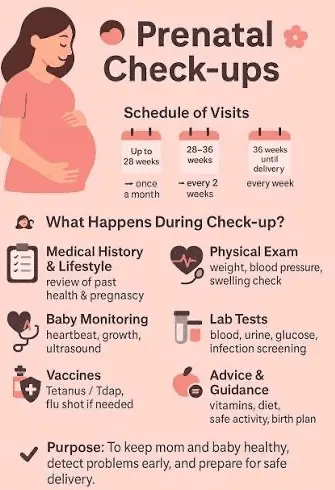
Pregnancy · 8 min read
Essential Pregnancy Checkups Month by Month

Pregnancy · 8 min read
Complete Guide to Antenatal Care During Pregnancy
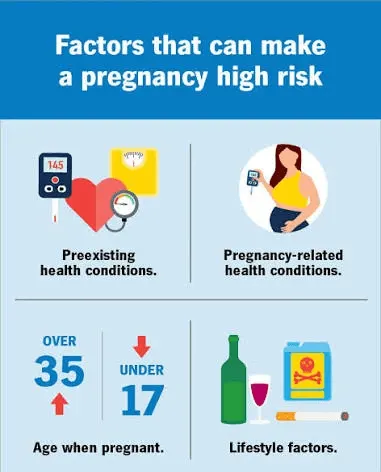
Pregnancy · 8 min read
High-Risk Pregnancy: Causes, Symptoms and Care


More free tools
Frequently asked questions
When should I start counting my baby’s movements?
Most women begin to feel movements between about 16 and 24 weeks, and later in a first pregnancy. Many hospitals suggest counting more formally from around 28 weeks, but ask your own doctor when to start.
How many movements should I feel?
There is no single right number, because every baby is different. One common method asks you to note how long it takes to feel 10 movements, aiming for 10 within 2 hours. Other services, including the NHS, advise you to learn your baby’s usual pattern rather than a fixed count. Either way, a change from your baby’s normal pattern matters most.
What counts as a movement?
Kicks, flutters, swishes and rolls all count.
What should I do if I do not reach 10 movements in 2 hours?
Have something to eat or drink, lie on your left side and try again. If you still do not feel 10 movements within 2 hours, or movements have reduced or changed from your usual pattern, contact your doctor or hospital the same day. Do not wait until the next day.
Can this counter replace a doctor’s check?
No. It is a simple tally and timer to help you notice your baby’s pattern. It cannot tell you whether your baby is well. If you are worried at any time, call your doctor or hospital.
Is my information saved or sent anywhere?
No. The counter runs entirely in your browser. Nothing is stored or sent, and the count is lost when you close or refresh the page.
Your care journey starts with one call
Book a visit, ask a question on WhatsApp, or call us any time. Delivery and emergency care are open 24/7.