Speciality 2 of 6
High-Risk Pregnancy Care
Specialized care for gestational diabetes, preeclampsia, and other pregnancy complications.
- Gestational diabetes
- Preeclampsia
- Close monitoring
Overview
What this care involves
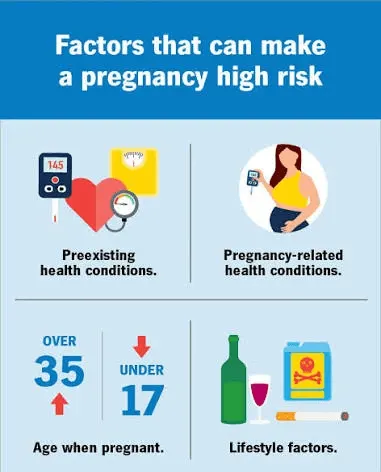
A pregnancy is called high-risk when the mother or baby has a higher than usual chance of complications. Being called high-risk does not mean something will go wrong. It means you will usually be watched more closely so that any problem is found and managed early.
Reasons include health conditions that were there before pregnancy (such as diabetes, high blood pressure or thyroid disease), conditions that develop during pregnancy (such as gestational diabetes or preeclampsia), expecting more than one baby, or problems in an earlier pregnancy.
At Chaitanya Hospital
Specialized care for gestational diabetes, preeclampsia, and other pregnancy complications.
24/7 delivery and emergency care. Near RTC Bus Stand, Simhapuri Colony, Kadapa, AP 516001.
Awareness guide
When to see a doctor
- You have diabetes, high blood pressure, kidney, heart or thyroid conditions and are pregnant or planning to be.
- Your blood sugar or blood pressure readings are high during pregnancy.
- You are expecting twins or more.
- You have had a premature birth, repeated miscarriage or a complicated pregnancy before.
- Your doctor has told you that your pregnancy needs extra monitoring.
Get urgent help if you notice
- Severe headache that does not settle
- Blurred vision or seeing flashing lights
- Sudden swelling of face or hands
- Pain under the ribs on the right side
- Heavy bleeding, fits or reduced baby movement
Step by step
What to expect
A general outline of how this kind of care usually unfolds. Your own plan will be set by your doctor.
- 1
Assessment
Your history, current health and earlier pregnancies are reviewed to understand your risks.
- 2
Closer monitoring
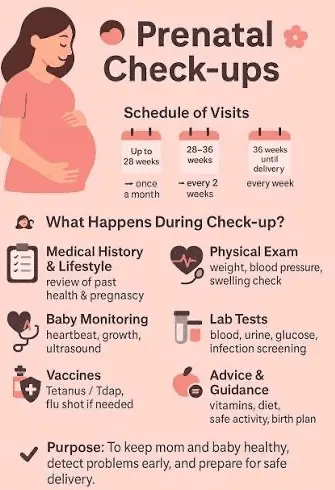
More frequent visits, with blood pressure, blood sugar and your baby’s growth checked regularly.
- 3
A plan that fits you
Medicines, diet and activity advice are set by your doctor and reviewed as the pregnancy goes on.
- 4
Planning the birth
The timing and way of delivery are discussed early, based on what is safest for you and your baby.
- 5
After birth
Follow-up continues, because some conditions need review after delivery too.
From our health blog
Related reading





Please note: this page is general educational information. It is not a substitute for advice from a doctor and does not diagnose or treat any condition. For personal advice please book a consultation, and in an emergency call us or your local emergency service.
High-Risk Pregnancy Care: common questions
What makes a pregnancy high-risk?
Existing conditions such as diabetes or high blood pressure, complications in pregnancy such as gestational diabetes or preeclampsia, multiple babies, earlier pregnancy problems, or sometimes the mother’s age. Your doctor decides after assessing you.
Does a high-risk pregnancy mean a C-section?
Not necessarily. The way of delivery depends on your health, your baby’s condition and how the pregnancy progresses. Your doctor will discuss the safest option with you.
What is gestational diabetes?
High blood sugar that first appears during pregnancy. It is usually managed with diet, activity and sometimes medicines, and needs regular monitoring. Sugar levels often return to normal after birth, but follow-up testing is advised.
What is preeclampsia?
A pregnancy condition with high blood pressure, usually after 20 weeks, sometimes with protein in the urine, headaches, vision changes or swelling. It needs prompt medical review.
Can I lower my risk?
Attending every check-up, taking prescribed medicines, eating well, staying active as advised and reporting symptoms early all help. Some risks cannot be prevented, which is why monitoring matters.
Your care journey starts with one call
Book a visit, ask a question on WhatsApp, or call us any time. Delivery and emergency care are open 24/7.